







There comes a point in every organization when the storage room fills with outdated laptops, unused routers, and aging work devices, and someone finally decides it is time to clear everything out. What many teams do not realize is that once a company contacts a professional buyback provider, a highly structured workflow begins behind the scenes to ensure the process remains secure, compliant, and efficient from start to finish.
This article explains how each stage works and why coordination is the foundation of a safe and reliable device buyback service.
-
The Audit
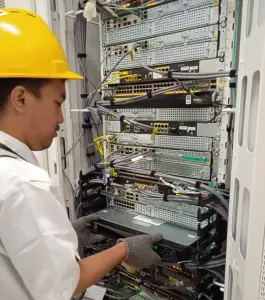
The process always begins at the client’s site, where rows of old laptops, chargers, and networking equipment are carefully inspected one by one. Every serial number is logged, every asset tag is verified, and every discrepancy is flagged immediately because even a small mistake can delay the next steps. The audit team usually works quietly so the client’s operations can continue without interruption, but behind that calm atmosphere is a disciplined system designed to produce a complete and accurate inventory before any device leaves the building.
-
The Pickup
After the audit is approved, the transport team steps in to prepare the equipment for removal. Devices are sealed in secure containers, labeled with unique identifiers, and loaded into a vehicle that is monitored from departure to arrival. Each movement is documented to maintain full traceability, and the drivers follow procedures they have practiced repeatedly to keep the handling consistent and safe. Many clients notice how smooth the pickup feels, but that efficiency is the result of years of experience and standardized training that ensures the process stays predictable.
-
Listing and Logging
Once the equipment reaches the facility, the verification process begins again to confirm that every item matches the audit and transport records. Serial numbers are scanned and cross-checked, and staff members review the entries to prevent data entry errors or mismatches. Maintaining certification requires strict adherence to protocol, and this stage demonstrates why those standards matter: accurate logging protects both the client’s data security and the integrity of the recycling or remarketing process that follows.
-
Sorting and Processing
With the data confirmed, the team begins sorting each device based on its condition, potential reuse, and data handling requirements. Devices that qualify for remarketing go through functional checks, while drives that can still be wiped undergo secure erasure procedures that include verification and documentation. Equipment that cannot be reused is dismantled or mechanically destroyed, a step that can get loud and requires protective gear to keep the team safe. Throughout this stage, the goal remains the same: ensure that every device is handled in a way that protects data and supports responsible material recovery.
-
Closing the Loop
After processing is complete, clients receive clear reports and certificates that document every stage of the workflow. By the time these documents are delivered, the team is often already preparing for the next pickup, applying the same structured approach regardless of whether they are handling laptops, servers, networking equipment, or mixed electronics. The technology may change from one project to another, but the need for consistent coordination never does, because data protection and environmental responsibility depend on a process that works every single time.
In your own team, which aspect is the hardest to maintain over the long term: speed, accuracy, or coordination?
Visit ecoberingin.com website to learn more, or contact us through WhatsApp for details and make an appointment.