When a company clears two server racks or replaces 300 laptops, the job usually starts with a simple question: who will take the equipment?
The answer matters. Those machines may still contain employee records, customer information, financial documents, login credentials, internal emails and system configurations. Some units may still have resale value. Others may contain…
A recent recycling-centre fire in the UK was linked to a damaged lithium-ion battery from a disposable vape. Small device. Wrong bin. Fire crews called in.
Around the same time, a KGMU study reported higher health risks for people living or working near e-waste dumping and recycling areas, including respiratory issues, neurological problems, skin diseases,…
Indonesia's E-Waste Challenge Is Becoming More Urgent
Recent e-waste news gives Indonesia a useful reference point. India has received recycling capacity commitments of 850 kilotonnes, compared with an initial target of 270 kilotonnes, under a programme tied to critical minerals from e-waste, lithium-ion battery scrap, and other secondary materials. The same programme has…
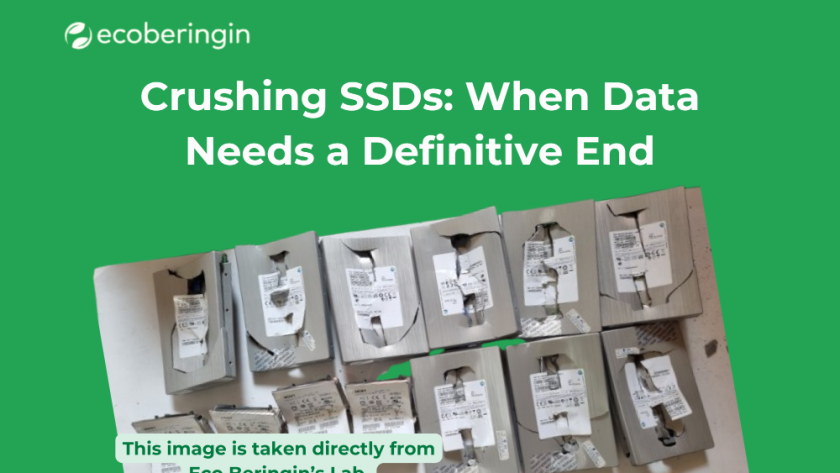
A surprising number of people still believe deleting files is enough.
It isn't.
When a file is deleted, the information often remains on the storage device until it is overwritten. Even formatting a drive does not always remove everything. For organizations handling customer records, financial information, medical data, legal documents, or internal company files, that…
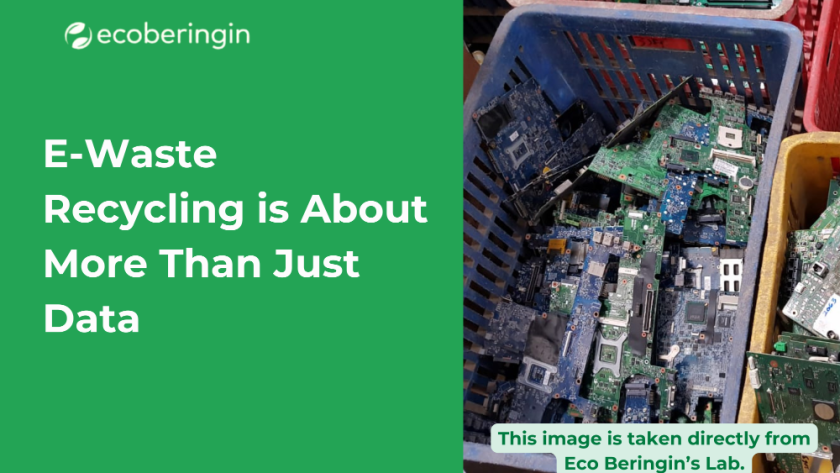
One of the first things you might notice when you look closely at a dismantled computer, phone, or network device is the mainboard, also referred to as a motherboard or logic board.
It might appear to be a busy place for a lot of tiny electronic components: chips, slots, connectors, heat sinks, capacitors, resistors, solder…